

Investment Projects
Our Projects
Energy Storage Technology (EST) is property that receives energy, stores the energy, and is capable of converting the stored energy directly into electricity on demand. The EST property that Clearsun develops consists of four key verticals: solar energy, hydrogen production, hydrogen storage, and fuel cell power.
Our Four Verticals
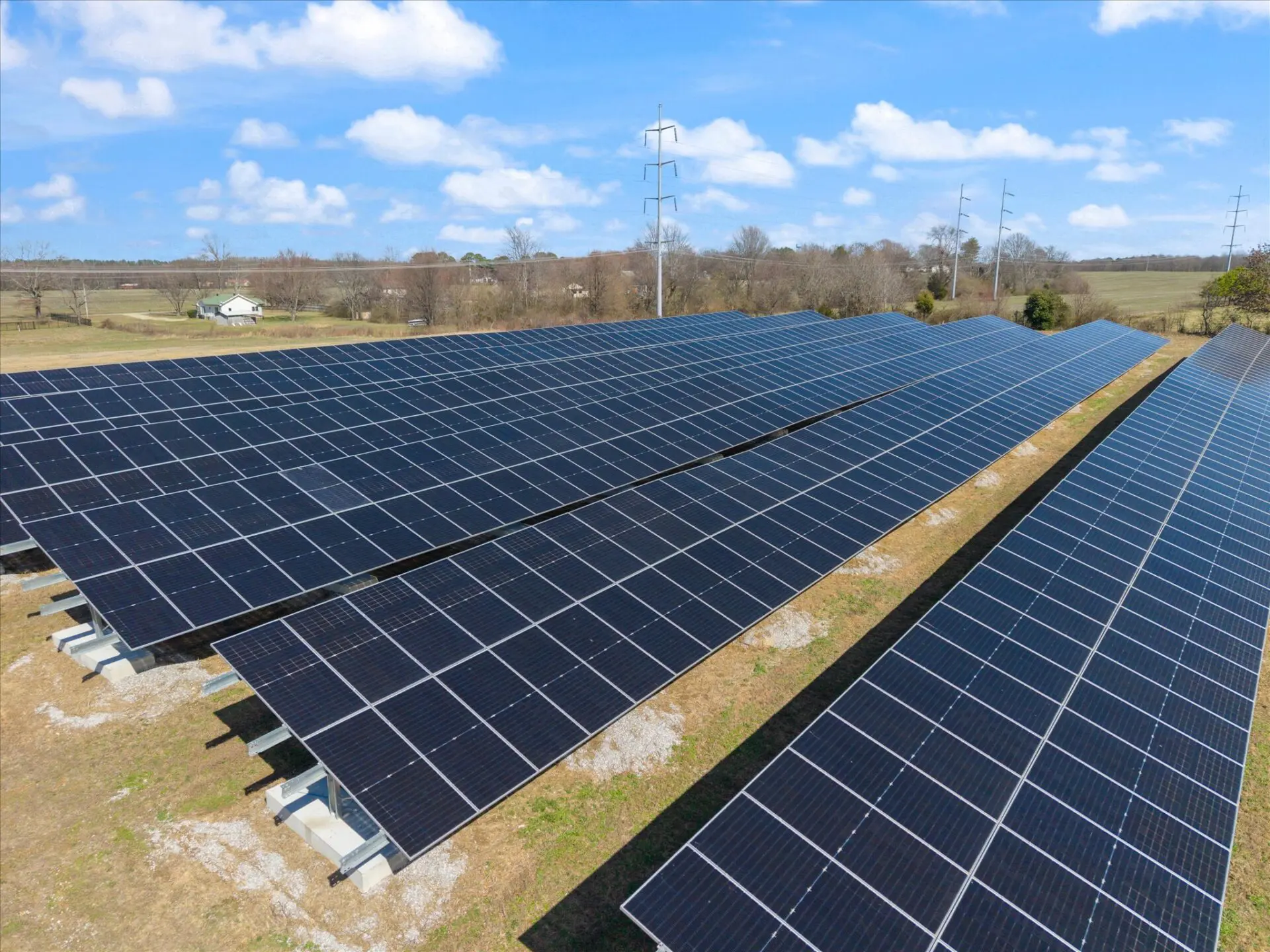
Solar
Power
Solar panels produce electricity
Hydrogen
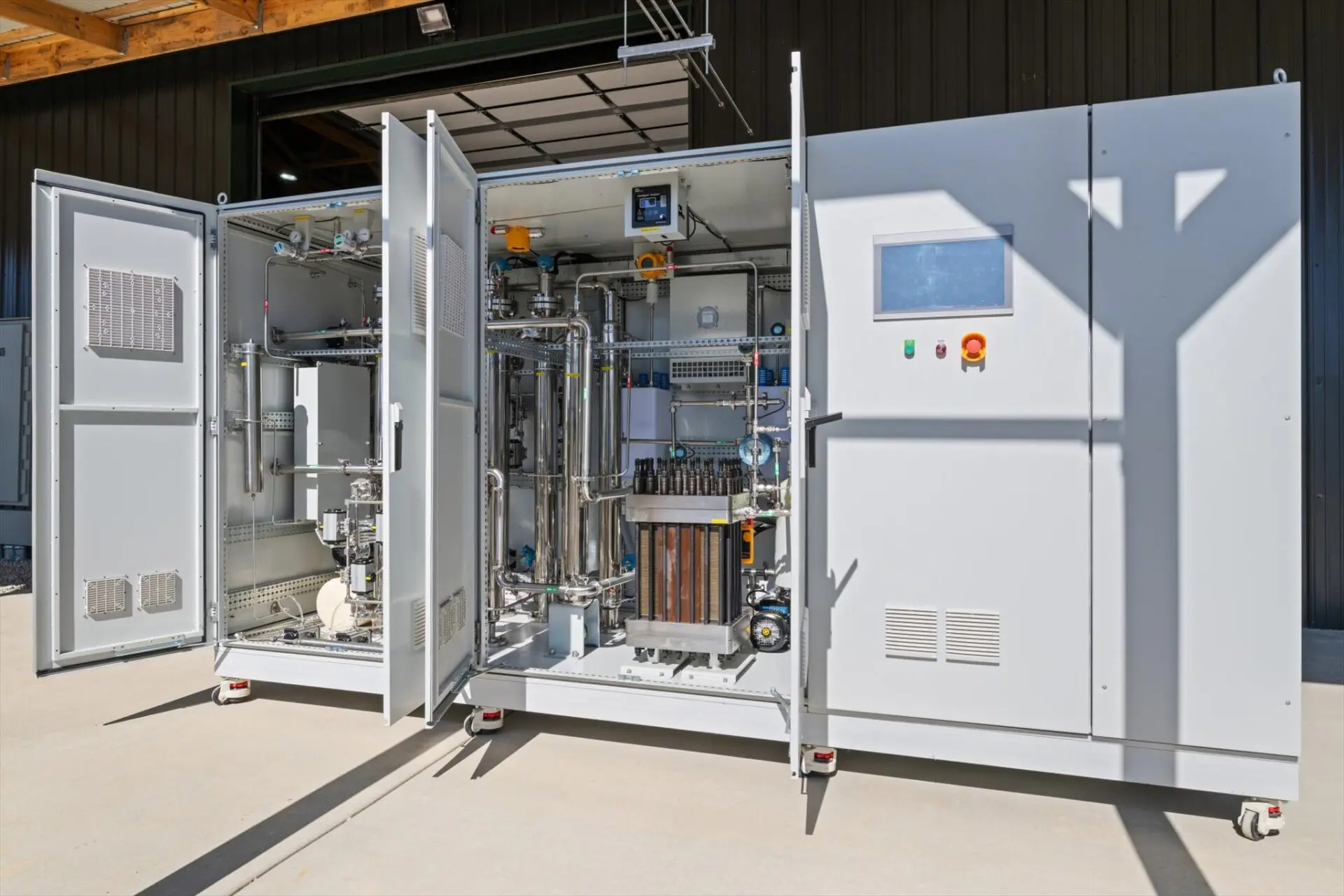
Production
Electricity from solar panels is used to power an electrolyzer to produce hydrogen
Hydrogen
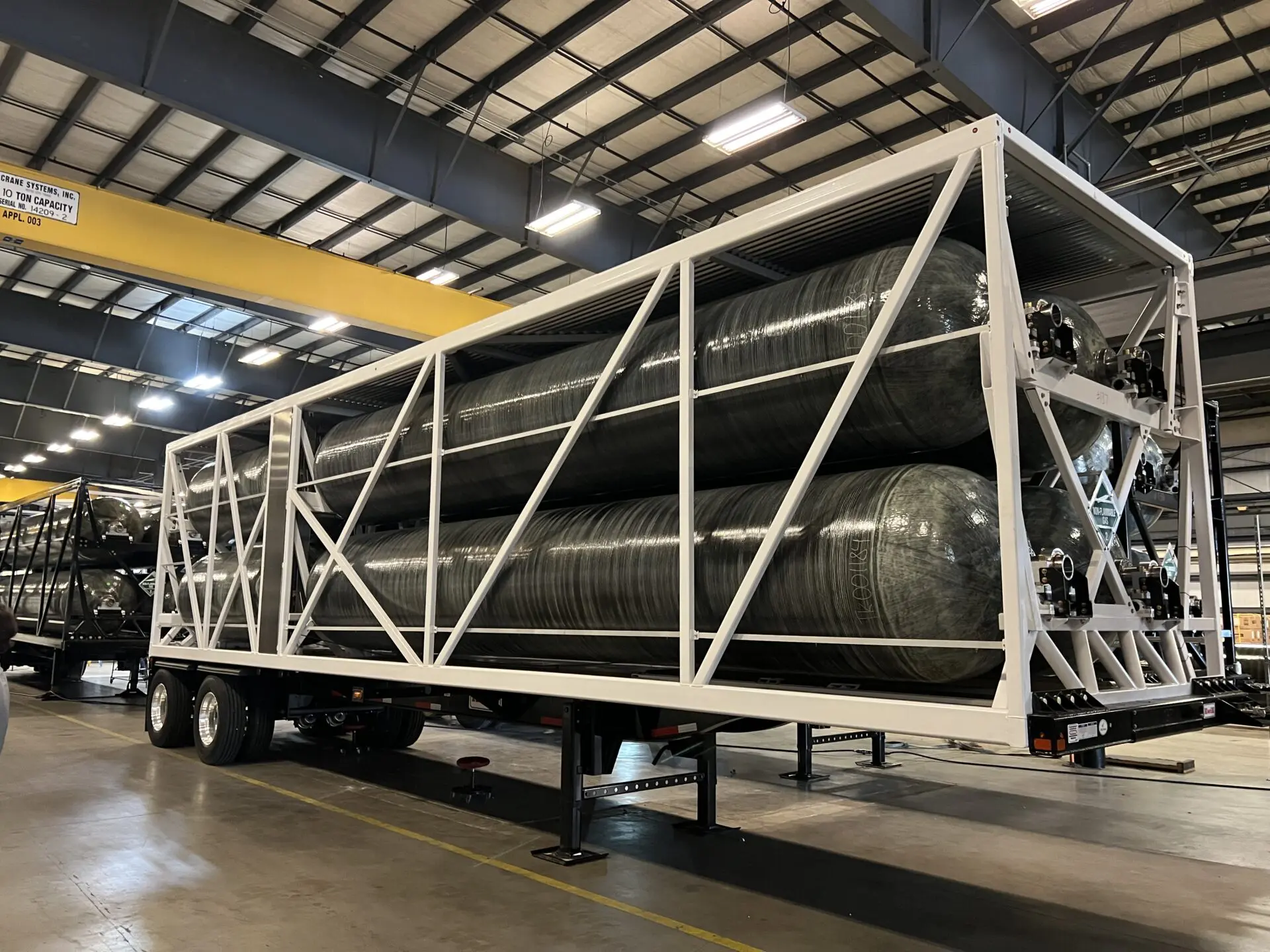
Storage
Hydrogen produced from electrolyzer is compressed and stored for future use
Fuel Cell
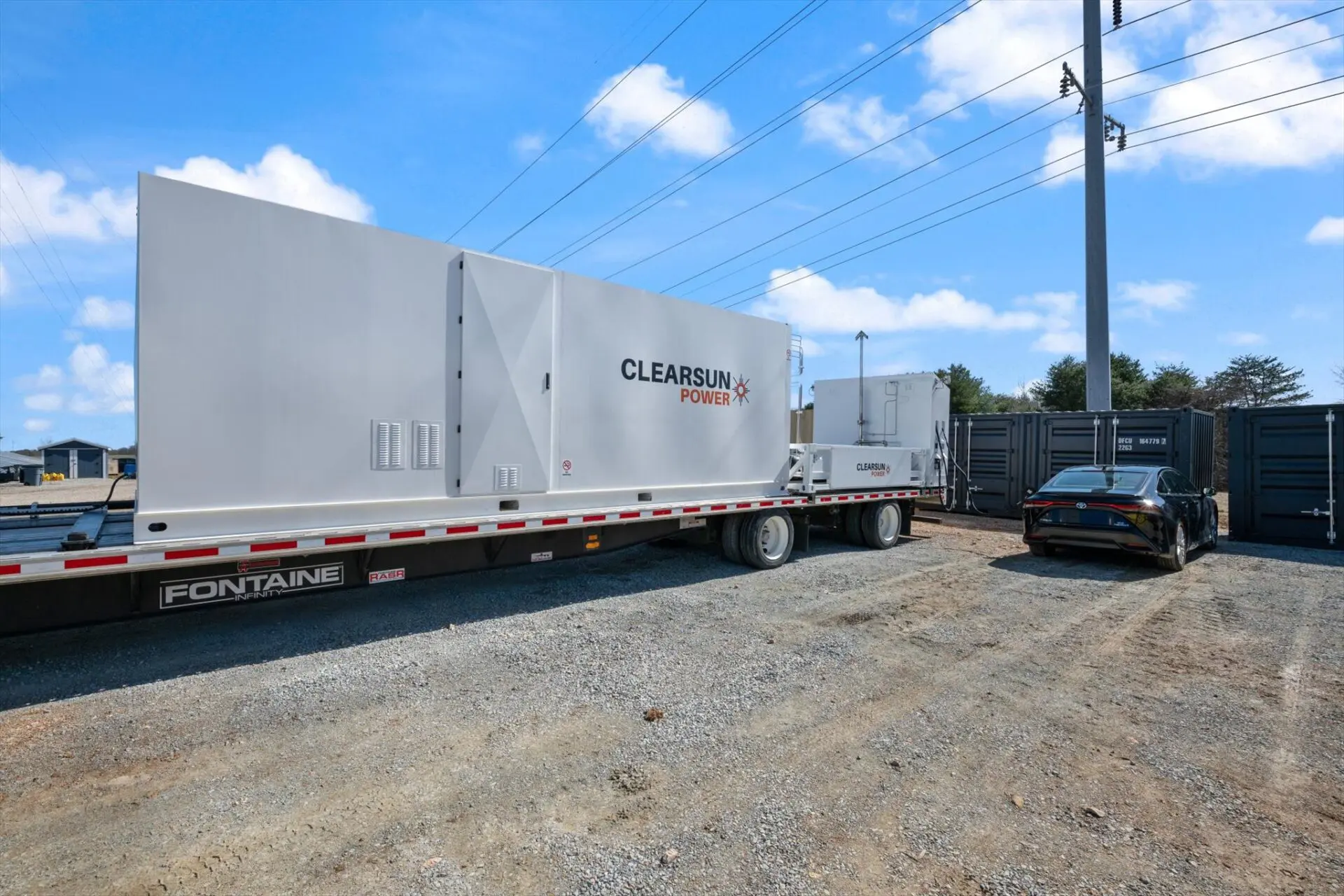
Power
Stored hydrogen serves as the fuel source and is converted into electricity as it flows through the fuel cell stack
Solar Power
Solar power is a renewable source of electric power. Solar panels convert energy from the sun into usable solar power without producing CO2, a greenhouse gas, during generation. In addition to being environmentally friendly, solar panels operate quietly and do not create noise or vibration while generating electricity.
Electrolyzer and Hydrogen Production
Electrolyzers use solar power to split water into hydrogen and oxygen. During hydrogen production, electrolyzers operate without producing noise or vibration. Hydrogen serves as a direct form of energy storage and can also be converted directly into electricity through the use of a fuel cell. As part of the process, oxygen is released into the atmosphere, helping reduce CO2 gas concentration.
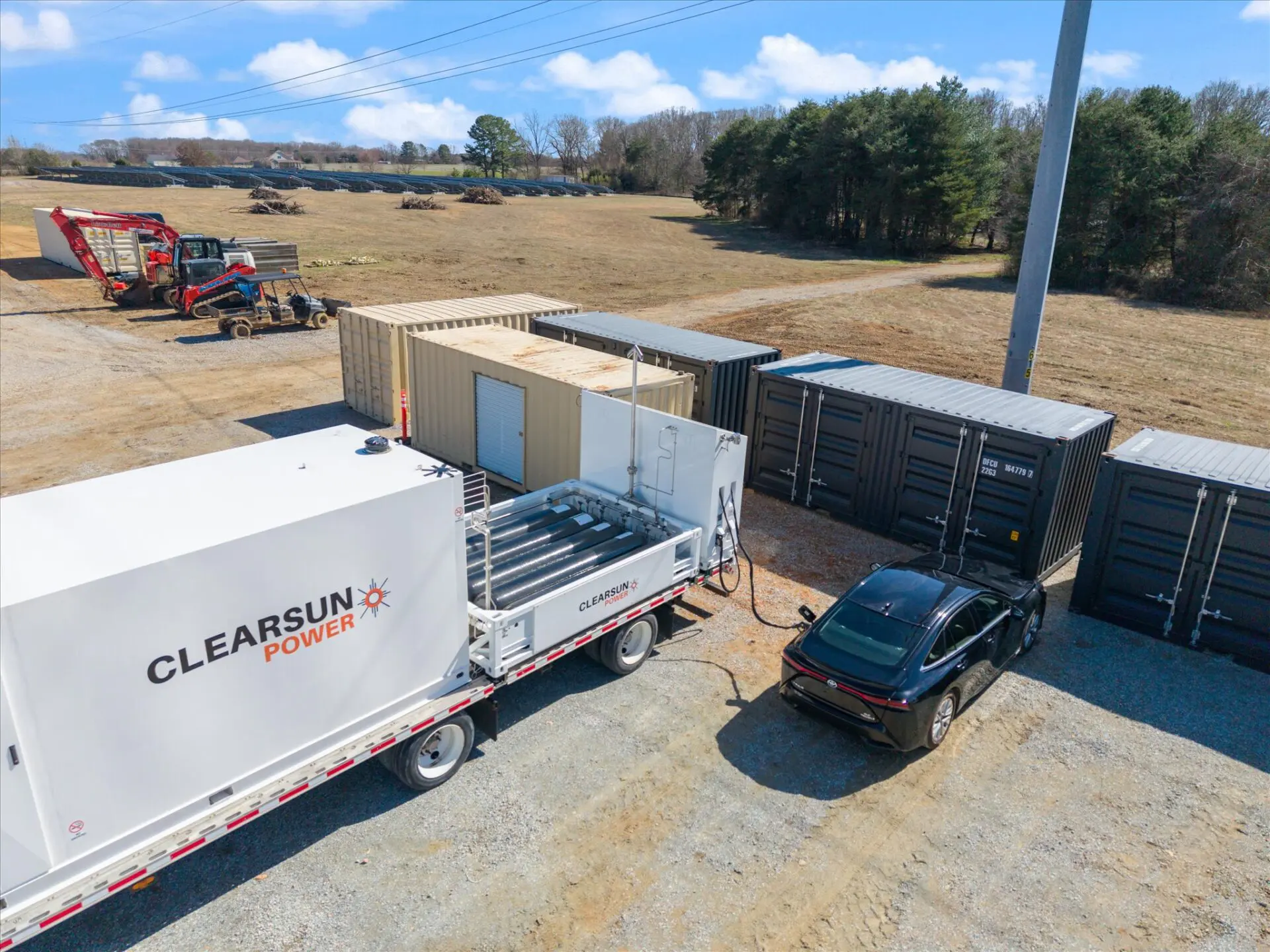
Fuel Cells
Fuel cells convert hydrogen into electricity without producing CO2. Their only byproduct during electricity generation is water. Fuel cells may be used as either a primary source of power or as a standby or backup power source. They also operate quietly without producing noise or vibration. Compared to batteries, fuel cells are capable of delivering significantly larger amounts of electricity at a lower cost.